Ernest Hemingway Museum
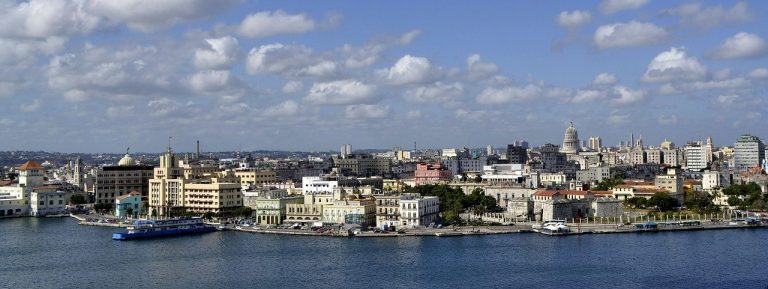
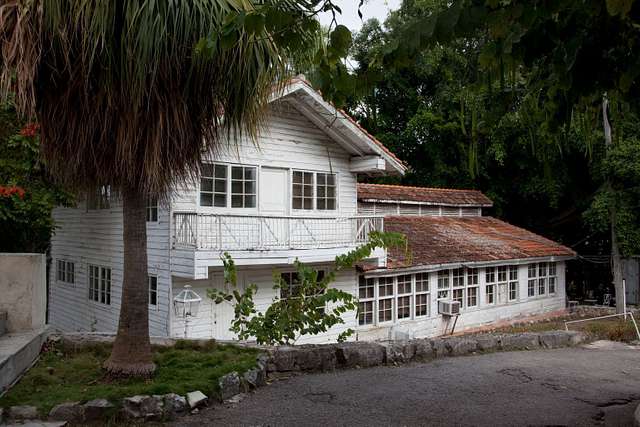
Finca Vigia was Ernest Hemingway’s house and is located in San Francisco de Paula, a suburb of Havana. Today it houses the “Museo de Ernesto Hemingway”. The house was built in 1886 by the Catalan architect Miguel Pascual y Baguer. The Finca Vigia means “the farmhouse of the watchman” and was built in the Moorish style. It is located on a hill about fifteen kilometers from Havana, overlooking Havana and the sea.
History
Hemingway lived in the house between mid-1939 and 1960. He first rented the house, then bought it in December 1940 after marrying his third wife, Martha Gellhorn.
In Finca Vigía he wrote nine novels, including “For Whom the Bell Tolls”. This is a novel about the Spanish Civil War, which Hemingway wrote as a journalist with Martha Gellhorn in the late 1930s. He had already started writing this book at the Ambos Mundos Hotel. Hemingway would later buy the house with part of his first royalties from the book, which was published in 1940.
It was also at the Finca Vigia that Hemingway wrote his book “The Old Man and the Sea” (1951). In 1954, he received the Nobel Prize for Literature.
After the Cuban revolution in early 1959, Hemingway lived on good terms with the Cuban government and Fidel Castro. Nevertheless, Hemingway left Cuba in mid-1960 due to his severe depression and illness. Hemingway was treated for this in the United States during the first half of 1961. Finally, on July 2, 1961, he committed suicide in Idaho.
In the fall of 1960, the Cuban government took possession of La Finca Vigia. The Cuban government turned it into a museum dedicated to Hemningway.
Video
In 2007, the museum reopened after a complete renovation. The Ernest Hemingway Museum has been preserved exactly as the author left it, giving visitors a glimpse into the life and times of this Nobel Prize winner. The museum features several artifacts belonging to Ernest, as well as a library containing the author’s original collection of books. You will also find posters of Spanish bullfights and trophies from his various African safaris. Hemingway’s boat, “The Pilar”, on which he went fishing at sea, is on land near the pool.
How to get to the museum
Opening hours:
Monday - Friday: 10 a.m. to 5 p.m.
Saturday: 10am to 4pm
Closed on Sunday
Admission: 5 USD per person
https://en.hemingwayhavana.com/
Finca Vigía Km. 12 ½, J Sosa, La Habana, Cuba
https://goo.gl/maps/xraWikpUy5S71uYP7